
Volume 2 Contributors
In this volume, a distinguished group of authors explore how transformative artificial intelligence is reshaping the economy and society. Together, their essays offer forward-looking perspectives on how AI can expand opportunity, enhance productivity, and deepen human capability, while also posing complex challenges that call for foresight, collaboration, and collective responsibility. Technology is not destiny; the choices we make now will determine how these tools shape the world ahead. Each contribution reflects deep expertise and a shared commitment to translating insight into action.
Lead Faculty

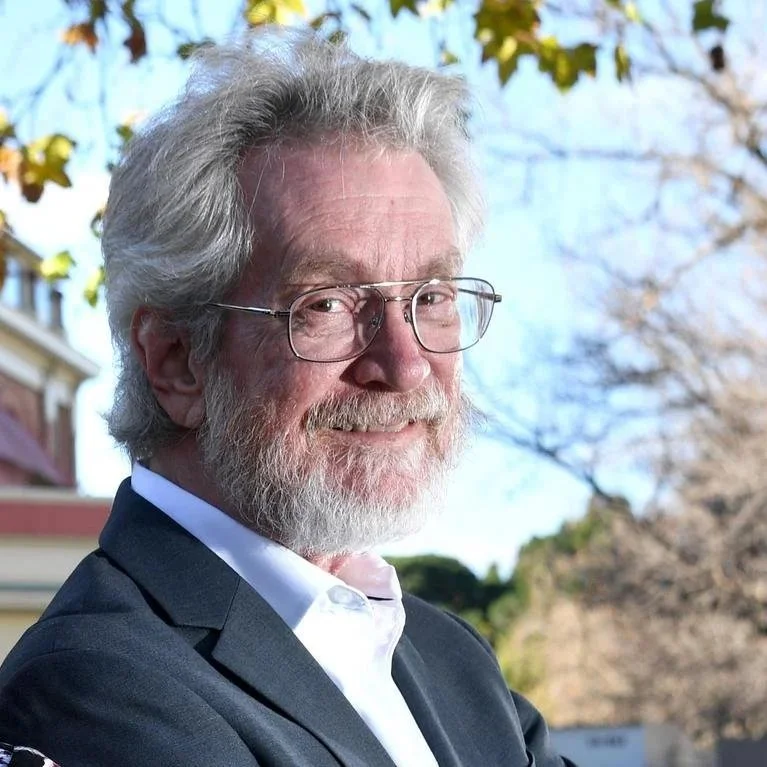
-
LEAD FACULTY
CO-AUTHOR
The Economics of Transformative AI
Transformative AI and the Increase in Returns to Experimentation: Policy ImplicationsProfessor of Strategic Management and Geoffrey Taber Chair in Entrepreneurship and Innovation, Rotman School of Management, University of Toronto
Ajay Agrawal is an Economist and Professor at the University of Toronto’s Rotman School of Management. He conducts research on the economics of innovation. He is co-author of two best-selling books on the economics of artificial intelligence: Prediction Machines and Power and Prediction; and co-editor of two scholarly books, The Economics of Artificial Intelligence: An Agenda and The Economics of AI: Health Care Challenges. He is the founder of the Creative Destruction Lab, a nonprofit program with a mission to enhance the commercialization of science for the betterment of humankind. Agrawal is a Research Associate at the National Bureau of Economic Research; an Academic Advisory Council Member at the Center on Regulation and Markets at Brookings; an Advisory Board Member at Carnegie Mellon University’s Block Center for Technology and Society; and a Faculty Affiliate of the Vector Institute of Artificial Intelligence. He was appointed a Member of the Order of Canada in 2022—the country’s highest civilian honor.
-
LEAD FACULTY
CO-AUTHOR
The Economics of Transformative AIStanford Digital Economy Lab and Stanford Institute for Human- Centered AI
Erik Brynjolfsson is a professor, author, and inventor. At Stanford, he is a Professor at the Institute for Human-Centered AI (HAI) and Director of the Stanford Digital Economy Lab, with positions at the Institute for Economic Policy Research (SIEPR), the Economics Department, and the Graduate School of Business. His research and speaking focus on the economics of AI and digital technologies, including their effects on productivity, business strategy, and the future of work. Brynjolfsson is a best-selling author of several books, including The Second Machine Age: Work, Progress, and Prosperity in a Time of Brilliant Technologies. He has written over 200 academic articles and is one of the most widely cited researchers on the economics of AI. Brynjolfsson holds five patents and is the Cofounder of Workhelix, Inc., which helps companies identify opportunities for generative AI.
-
LEAD FACULTY
CO-AUTHOR
The Economics of Transformative AI
Preserving Fiscal Stability in the Age of Transformative AIProfessor, Department of Economics and Darden School of Business, University of Virginia; Faculty Director, Economics of Transformative AI (EconTAI) Initiative
Anton Korinek is a Professor at the University of Virginia in the Department of Economics and the Darden School of Business, as well as the Faculty Director of the Economics of Transformative AI (EconTAI) Initiative. He was named to the 2025 TIME100 AI list of the most influential people in artificial intelligence. He is a Nonresident Senior Fellow at the Brookings Institution, a Research Associate at the National Bureau of Economic Research, a Research Fellow at the Centre for Economic Policy Research, and serves on Anthropic’s Economic Advisory Council. Korinek received his PhD from Columbia University in 2007 after several years of work experience in the IT and financial sectors. He has also worked at Johns Hopkins and at the University of Maryland and has been a visiting scholar at Harvard University, the World Bank, the IMF, the BIS and numerous central banks.
His research analyzes how to prepare for a world of transformative AI systems and has been featured in the New York Times, Washington Post, Wall Street Journal, the Economist, and TIME Magazine. He investigates the implications of advanced AI for economic growth, labor markets, inequality, and the future of our society. In his past research, he investigated the mechanics of financial crises and developed policy measures to prevent future crises, including an influential framework for capital flow regulation in emerging economies.
-
LEAD FACULTY
CO-AUTHOR
The Economics of Transformative AI
Transformative AI in Financial SystemsCenter Fellow, Stanford Institute for Human-Centered Artificial Intelligence (HAI); Faculty Lead, Digital Platforms and Society, Stanford Digital Economy Lab
Alex “Sandy” Pentland is an HAI Center Fellow and Faculty Lead for Digital Platforms and Society at Stanford HAI and the Digital Economy Lab. He is the Toshiba Professor of Media Arts & Science at MIT, a Member of the US National Academies, an Advisory Board Member at the Abu Dhabi Investment Authority Lab, and formerly an Advisory Board Member at the UN Secretary General’s office, Google, ATT, Telefonica, and elsewhere. Spin-off companies and open-source systems from his lab manage authentication of most digital transactions in the world, media for roughly one billion people in the Far East, and health resources for roughly 400 million people in the Indo-Pacific region. His current focus is on problems and opportunities in using AI to improve our social institutions. His most recent book is Shared Wisdom: Cultural Evolution in the Age of AI.


Senior Editor
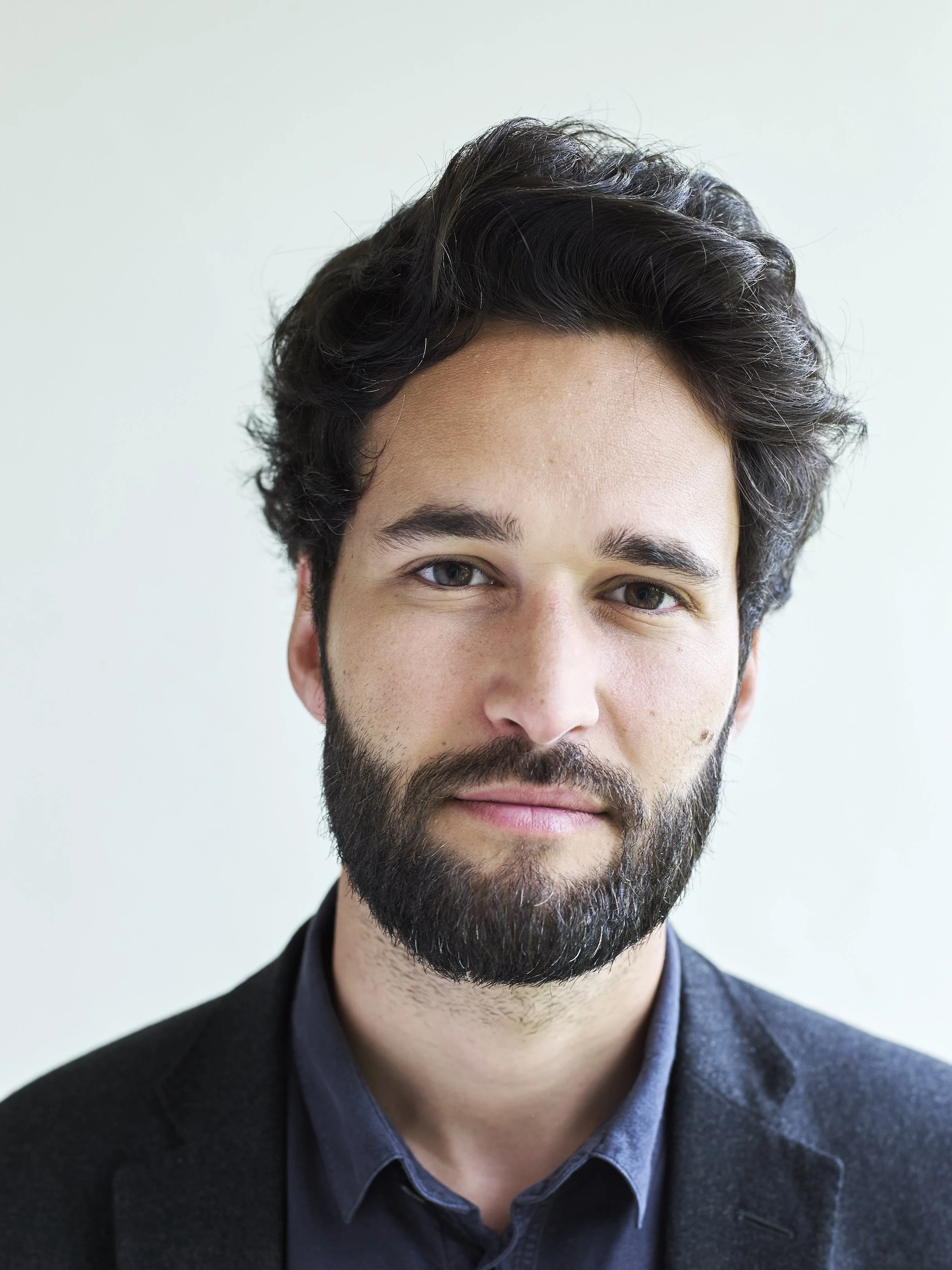
-
SENIOR EDITOR
CO-AUTHOR
The Economics of Transformative AIMercers’ School Memorial Professor of Business, Gresham College; Senior Research Associate, Institute for Ethics in AI at Oxford University
Daniel Susskind is the Mercers’ School Memorial Professor of Business at Gresham College. He is also a Research Professor at King’s College London, a Senior Research Associate at the Institute for Ethics in AI at Oxford University, a Digital Fellow at the Stanford Digital Economy Lab, and an Associate Member of the Economics Department at Oxford University. His most recent book, Growth: A Reckoning, was chosen by President Obama as one of his “Favorite Books of 2024” and was short-listed for the Financial Times Business Book of the Year 2024. He is also the author of A World Without Work, short-listed for the Financial Times Business Book of the Year 2020, and co-author of the best-selling The Future of the Professions.
Authors

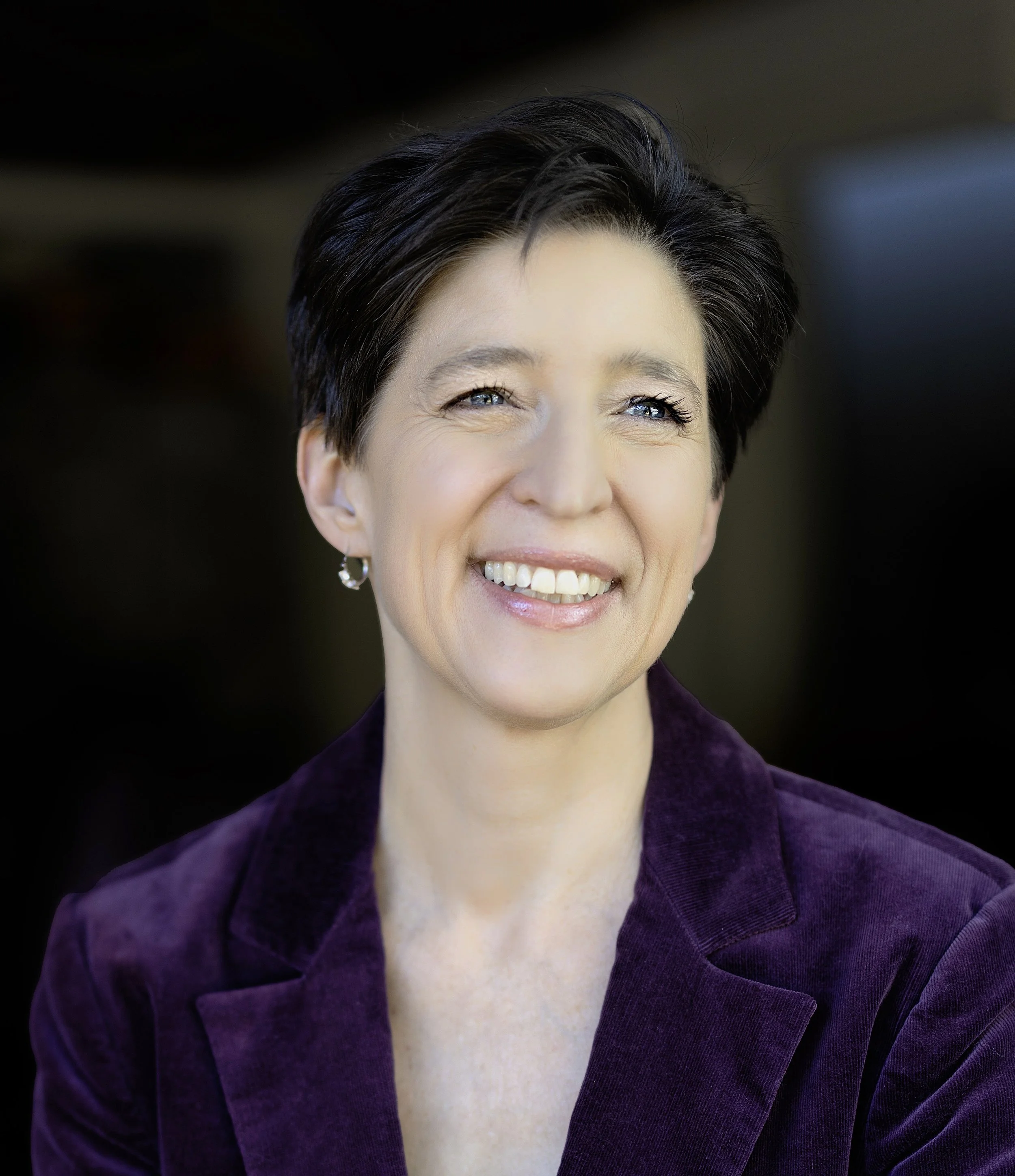
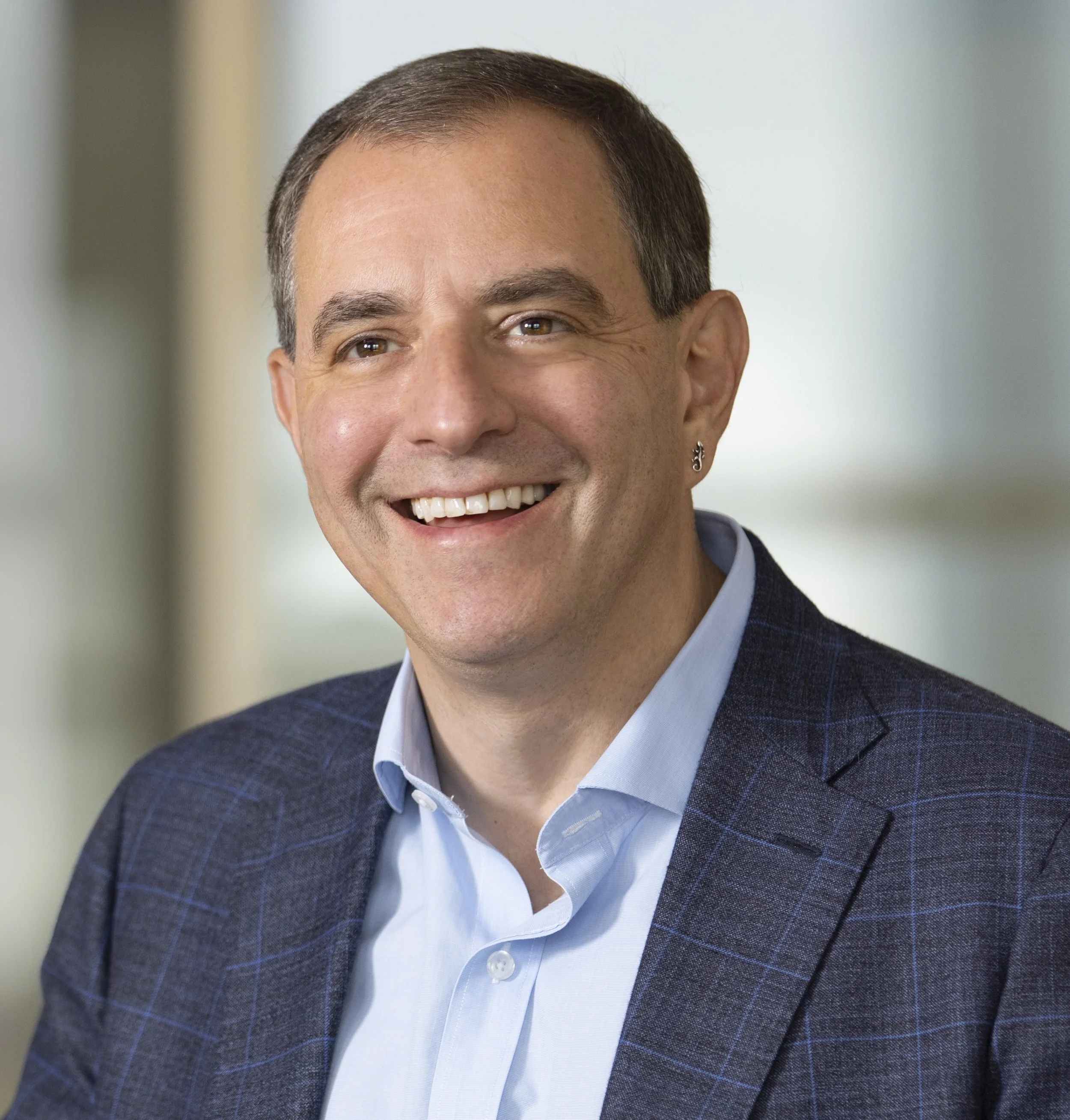

-
CO-AUTHOR
Strategic Dynamics in the Race to AGI: A Time to Race Versus a Time to RestrainEconomist, RAND; Professor of Policy Analysis, RAND School of Public Policy
Lisa Abraham is an Economist at RAND and a Professor of Policy Analysis at the RAND School of Public Policy. Her research examines mechanisms for gaps in labor market outcomes, how information impacts decision-making in consumer and labor-market contexts, and the impacts of artificial intelligence. She completed her PhD in Economics at Harvard University in May 2020. Prior to her PhD, Abraham obtained an MSc in Economics and Management from the London School of Economics and a BA in Mathematics and Economics from Wellesley College. She was previously the Special Assistant to the Assistant Secretary for Economic Policy at the US Treasury Department and an investment banking analyst at J.P. Morgan.
-
The Economics of Technology Professor, Stanford Graduate School of Business; Senior Fellow, Stanford Institute for Human-Centered Artificial Intelligence (HAI)
Susan Athey is the Economics of Technology Professor at Stanford Graduate School of Business. She is a Senior Fellow at the Stanford Institute for Human-Centered Artificial Intelligence, and is the Founding Director of the Golub Capital Social Impact Lab at Stanford GSB.
Athey previously taught at the Economics Departments at MIT, Stanford, and Harvard. She is an Elected Member of the National Academy of Science, former President of the American Economics Association, and the recipient of the John Bates Clark Medal, awarded by the American Economics Association to the economist under 40 who has made the greatest contributions to thought and knowledge. She received her BA from Duke University and her PhD from Stanford, and she holds an honorary doctorate from Duke University.
As one of the first “tech economists,” she previously served as Consulting Chief Economist for Microsoft Corporation and on the boards of multiple private and public technology firms. She also served as a long-term advisor to the British Columbia Ministry of Forests.
Her current research focuses on the economics of digitization, marketplace design, and the intersection of causal inference and artificial intelligence. Her work spans several application areas, including timber auctions, internet search, online advertising, the news media, and digital technology for social impact.
-
CO-AUTHOR
Beyond Job Displacement: How AI Could Reshape the Value of Human ExpertiseDaniel (1972) and Gail Rubinfeld Professor in Economics, MIT; Google Technology and Society Visiting Fellow
David Autor is the Daniel (1972) and Gail Rubinfeld Professor in the MIT Department of Economics and Co-Director of both the National Bureau of Economic Research’s Labor Studies Program and the James M. and Cathleen D. Stone Center on Inequality and Shaping the Future of Work. His scholarship explores the labor-market impacts of technological change and globalization on job polarization, skill demands, earnings levels and inequality, and electoral outcomes.
Autor has received numerous awards both for his scholarship—the National Science Foundation CAREER Award, an Alfred P. Sloan Foundation Fellowship, the Sherwin Rosen Prize for Outstanding Contributions in the field of Labor Economics, the Andrew Carnegie Fellowship in 2019, and the Society for Progress Medal in 2021—and for his teaching, including the MIT MacVicar Faculty Fellowship in 2018 and the Best Instructor award from the MIT Graduate Economic Association in 2025. In 2020, he received the Heinz 25th Special Recognition Award from the Heinz Family Foundation for his work “transforming our understanding of how globalization and technological change are impacting jobs and earning prospects for American workers.” In 2023, Autor was selected as a NOMIS Distinguished Scientist, one of two researchers across all scientific fields. He was one of five senior scholars selected by the Schmidt Sciences Foundation as an AI2050 Senior Fellow in 2024. He is also a Visiting Fellow in the Google Technology and Society Program.
-
CO-AUTHOR
“Career” Advice from the AI Frontier: Preparing Young People for Work in the Age of Transformative AIChief of Staff, Anthropic
Avital Balwit is Chief of Staff to Dario Amodei, CEO of Anthropic. She wrote the essay that appears in this volume in her personal capacity. Previously, she researched transformative AI at Oxford’s Future of Humanity Institute and at the University of Virginia, managed a Congressional campaign, worked in grantmaking in AI safety and biosecurity, and won a Rhodes Scholarship.




-
AUTHOR
Advanced AI as a Global Public Good and a Global RiskFull Professor, Université de Montréal; Co-President and Scientific Director, LawZero; Founder and Scientific Advisor, Mila - Quebec AI Institute
Yoshua Bengio is a Full Professor of Computer Science at Université de Montreal, Co-President and Scientific Director of LawZero, as well as the Founder and Scientific Advisor of Mila and a Canada CIFAR AI Chair. Considered one of the world’s leaders in artificial intelligence and deep learning, he is the recipient of the 2018 A.M. Turing Award, considered to be the “Nobel Prize of computing.” He is the most cited computer scientist worldwide, and the most-cited living scientist across all fields (by total citations).
Bengio is a Fellow of both the Royal Society of London and Canada, an Officer of the Order of Canada, a Knight of the Legion of Honor of France, a Member of the UN’s Scientific Advisory Board for Independent Advice on Breakthroughs in Science and Technology, and Chair of the International AI Safety Report.
-
CO-AUTHOR
Universal Basic Capital: An Idea Whose Time Has ComeChairman and Co-Founder, Berggruen Institute
Nicolas Berggruen is Chairman and Co-Founder of the Berggruen Institute—an organization with centers in Los Angeles, Beijing and Venice, Italy—which develops ideas and projects in governance, philosophy, and cultural issues. The work of the Institute aims, in part, to bridge understanding between the East and the West.
In 2025, Berggruen was recognized as an honorary trustee of Peking University. Committed to leaving a legacy of art and architecture, Berggruen sits on the Boards of the Museum Berggruen, Berlin, and the Los Angeles County Museum of Art. He has worked with some of the world’s leading architects on projects spanning Europe, Asia, and the US.
Berggruen is co-author with Nathan Gardels of Renovating Democracy: Governing in the Age of Globalization and Digital Capitalism and Intelligent Governance for the 21st Century: A Middle Way Between the West and East (a Financial Times Book of the Year), and is Co-Publisher of Noēma Magazine. He is also Chairman of Berggruen Holdings, the investment vehicle of the Nicolas Berggruen Charitable Trust.
-
AUTHOR
Open Global Investment as a Governance Model for Transformative AIFounder and Principal Researcher, Macrostrategy Research Initiative
Nick Bostrom is a Swedish-born philosopher. He was until recently a Professor at Oxford University, where he led the Future of Humanity Institute from 2005 to 2024. He is the author of 200 publications, including Anthropic Bias, Global Catastrophic Risks, Human Enhancement, and Superintelligence: Paths, Dangers, Strategies, a 2014 prescient New York Times bestseller that helped spark a global conversation about the future of AI that continues to this day. His most recent book is Deep Utopia: Life and Meaning in a Solved World. His work has pioneered many of the ideas that frame current thinking about humanity’s future (e.g., the concept of existential risk, the simulation argument, the vulnerable world hypothesis, differential technological development, crucial considerations, the moral status of digital minds, etc.). He is one of the most-cited philosophers in the world, and his writings have been translated into more than 30 languages. His most recent work focuses on macrostrategy and AI.
-
AUTHOR
The Democratization of IntelligenceChief Financial Officer, OpenAI
Sarah Friar is the Chief Financial Officer of OpenAI. Before joining OpenAI, Friar served as Chief Executive Officer of Nextdoor from 2018 to 2024, and as Chief Financial Officer of Block (formerly Square) between 2012 and 2018. Before her tenure at Block, she served as Senior Vice President of Finance and Strategy at Salesforce, held executive roles at Goldman Sachs, and started her career at McKinsey in London and South Africa. Friar currently sits on the Board of Directors of Walmart and Consensys, and on the Board of Trustees at Stanford University, as well as on the Advisory Boards of HOPE Global, the Blavatnik School of Government at the University of Oxford, and the Digital Economy Lab at Stanford University. She previously served as a director of Nextdoor, Slack, and New Relic. She is the Co-Founder of Ladies Who Launch, a nonprofit that supports and empowers women entrepreneurs. Friar holds an MEng in Metallurgy, Economics, and Management from the University of Oxford and an MBA from the Stanford Graduate School of Business.

-
AUTHOR
Transformative AI and the Increase in Returns to Experimentation: Policy ImplicationsProfessor of Strategic Management and Jeffrey S. Skoll Chair in Technical Innovation and Entrepreneurship, Rotman School of Management, University of Toronto
Joshua Gans is a Professor of Strategic Management and holder of the Jeffrey S. Skoll Chair of Technical Innovation and Entrepreneurship at the Rotman School of Management, the University of Toronto (with a cross-appointment in the Department of Economics and the Munk School of Global Affairs and Public Policy). Gans is also Chief Economist of the University of Toronto’s Creative Destruction Lab. At Rotman, he teaches MBA students entrepreneurial strategy. His books include Information Wants to Be Shared; The Disruption Dilemma; Scholarly Publishing and Its Discontents; Prediction Machines: The Simple Economics of Artificial Intelligence; and Innovation + Equality. His most recent books were The Pandemic Information Gap: The Brutal Economics of COVID-19; The Pandemic Information Solution: Overcoming the Brutal Economics of COVID-19; Power & Prediction: The Disruptive Economics of Artificial Intelligence; The Economics of Blockchain Consensus; Entrepreneurship: Choice and Strategy; and The Microeconomics of Artificial Intelligence.
-
CO-AUTHOR
Universal Basic Capital: An Idea Whose Time Has ComeNathan Gardels
Editor-in-Chief, Noēma Magazine; Co-Founder, Berggruen Institute
Nathan Gardels is Editor-in-Chief of Noēma Magazine and Co-Founder of the Berggruen Institute. With Nicolas Berggruen, he is co-author of Renovating Democracy: Governance in The Age of Globalization and Digital Capitalism and Intelligent Governance for the 21st Century: A Middle Way Between West and East, which was a Financial Times Best Book of 2012. His other books include American Idol After Iraq: Competing for Hearts and Minds in the Global Media Age; The Changing Global Order: World Leaders Reflect; and At Century’s End. Gardels was previously editor of The WorldPost section of the Washington Post.
-
AUTHOR
Beyond Rivalry: A US–China Policy Framework for the Age of Transformative AIDigital Fellow, Stanford Digital Economy Lab; Lecturer, MIT; Chairman, Virtual World Society
Alvin Wang Graylin is a global technology strategist, co-author of Our Next Reality, and Chairman of the Virtual World Society. With more than 35 years at the intersection of artificial intelligence, semiconductors, immersive computing, and cybersecurity, he has served in senior leadership roles at HTC, Intel, IBM, and Trend Micro; founded four venture-backed startups in conversational AI, AR, and social media; and invested in over 100 early-stage companies shaping the future of emerging technologies.
Currently a Digital Fellow at the Stanford Institute for Human-Centered AI (HAI) and a Lecturer at MIT, he advises governments, multilateral organizations, and Fortune 100 leadership teams on AI policy, global governance, and post-AGI socioeconomic transition. His work draws on decades of cross-cultural experience living and operating in both the US and China, giving him a unique perspective on bilateral cooperation, geopolitical risk, and the strategic pathways to safe and beneficial AGI.
A frequent keynote speaker at global forums and tech commentator on media outlets, Graylin combines deep technical fluency with pragmatic policy insight, advocating for international collaboration, abundance-oriented economic models, and AI systems that enhance human prosperity and global stability.
-
AUTHOR
The Universal Innervation of the Economy
Co-Founder and Managing Director, Future VenturesSteve Jurvetson is an early-stage venture capitalist with a focus on founder-led, mission-driven companies at the cutting edge of disruptive technology and new industry formation. He led founding investments in several companies that had successful IPOs and others that were billion-dollar acquisitions, representing $1.7 trillion of aggregate value creation. Some of those early VC investments include Planet Labs, SpaceX, and Tesla.
Before co-founding Future Ventures and Draper Fisher Jurvetson, he was an R&D Engineer at Hewlett-Packard, where seven of his chip designs were fabricated. He also worked in product marketing at Apple and NeXT and management consulting with Bain & Company. He holds a BS in Electrical Engineering, an MSEE, and an MBA, all from Stanford.
President Barack Obama appointed Jurvetson as a Presidential Ambassador for Global Entrepreneurship. He has also been honored as one of “Tech’s Best Venture Capital Investors” by Forbes, and as the “Venture Capitalist of the Year” by Deloitte.



-
CO-AUTHOR
Strategic Dynamics in the Race to AGI: A Time to Race Versus a Time to RestrainAssociate Information Scientist, RAND
Joshua Kavner is an Associate Information Scientist at RAND. His research focuses on computational social choice and algorithmic game theory, with particular emphasis on collective decision-making and incentives in voting and resource allocation. His doctoral work explored iterative voting and fair division, combining theoretical modeling with empirical analysis to better understand the inherent trade-offs between fairness, efficiency, and incentives in multiagent systems. He earned his PhD in Computer Science from Rensselaer Polytechnic Institute in 2024, advised by Lirong Xia, and his BS in Data Science Engineering from the University of Michigan in 2020.
-
CO-AUTHOR
Transformative AI in Financial SystemsGlobal Head of Research & Development, Abu Dhabi Investment Authority; Founding Advisory Board Member, ADIA Lab
Alexander Lipton is a Global Head of Research & Development at Abu Dhabi Investment Authority (ADIA), a Founding Advisory Board Member at ADIA Lab, a Professor of Practice at Khalifa University, and a Senior Founding Connection Science Fellow at MIT. He is an advisory board member at several fintech and deep tech companies worldwide. From 2006 to 2016, Lipton was Co-Head of the Global Quantitative Group and Quantitative Solutions Executive at Bank of America. Before that, he held senior managerial positions at several leading financial institutions. Additionally, he held visiting professorships at EPFL, New York University, Oxford University, and Imperial College London. Earlier, Lipton was a Full Professor at the University of Illinois and a Consultant at the Los Alamos National Laboratory. Risk Magazine awarded him the Inaugural Quant of the Year Award in 2000 and the Buy-side Quant of the Year Award in 2021. He holds several US patents and has authored/edited 13 books and over 100 scientific papers on nuclear fusion, astrophysics, applied mathematics, financial engineering, distributed ledgers, and quantum computing.
-
CO-AUTHOR
Preserving Fiscal Stability in the Age of Transformative AIProfessor of Economics, University of Virginia; Research Associate, National Bureau of Economic Research; Associated Faculty, Economics of Transformative AI (EconTAI)
Lee Lockwood is a Professor of Economics at the University of Virginia, a Faculty Research Fellow of the National Bureau of Economic Research, Associated Faculty of EconTAI, and a Member of the Board of Editors for the American Economic Journal: Economic Policy. His main research fields are public finance and labor economics, with focuses on social insurance programs and artificial intelligence. He holds a PhD in Economics from the University of Chicago, an MSc in Economics from the London School of Economics, and a BS in Industrial Engineering and Economics from Northwestern University. He was awarded the 2019 TIAA Paul A. Samuelson Award for Outstanding Scholarly Writing on Lifelong Financial Security.
-
AUTHOR
Resilient by Design: Dual Safety Nets for Workers in the AI EconomyAssociate Professor, University of Pennsylvania School of Social Policy & Practice; Research Associate, National Bureau of Economic Research
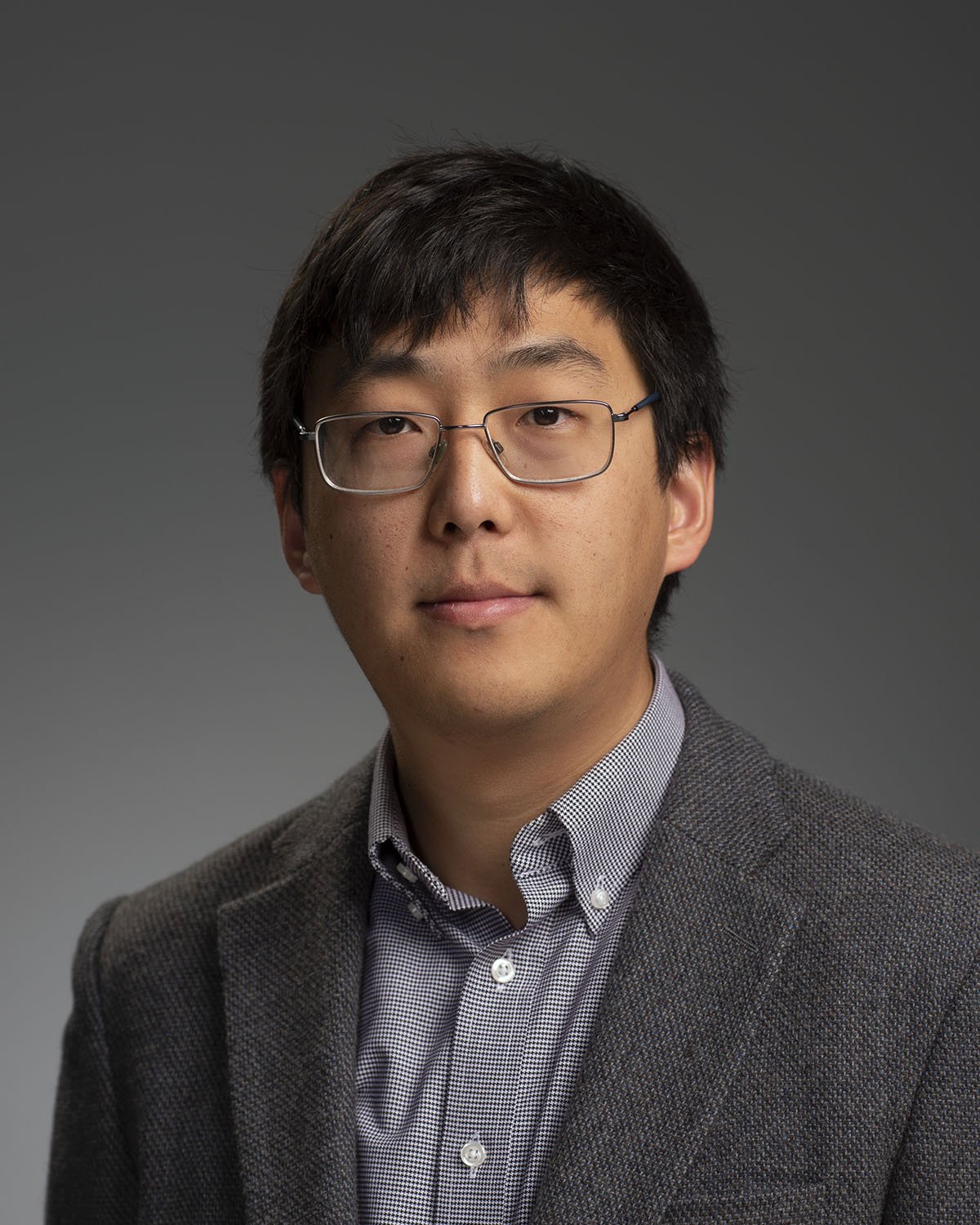
Ioana Marinescu is an Associate Professor at the University of Pennsylvania School of Social Policy & Practice, with secondary appointments in the Economics Department and the Wharton School of Business (BEPP), and a Research Associate at the National Bureau of Economic Research. Marinescu’s scholarship links labor economics, antitrust, and technological change to study how market power and innovation affect wages, employment, and inequality. Her pioneering research on wages and monopsony power led to her Congressional testimony on labor market competition and her subsequent appointment as Principal Economist at the US Department of Justice Antitrust Division (2022–2024). There, she helped integrate labor market analysis into the 2023 Merger Guidelines, the first version to explicitly address worker impacts. Her current projects focus on the economic implications of artificial intelligence and on policy tools, such as safety nets and competition policy, that can foster broad-based prosperity in an AI-driven economy. She brings this perspective to Anthropic’s Economic Advisory Council and provides briefings and expert insights on labor markets, antitrust, and AI to policymakers, journalists, and private-sector leaders. Marinescu publishes in top journals including the Review of Economic Studies and the Quarterly Journal of Economics, where she serves as an Associate Editor. Her research regularly appears in outlets like the New York Times and the Economist.



-
CO-AUTHOR
Strategic Dynamics in the Race to AGI: A Time to Race Versus a Time to RestrainPresident and Chief Executive Officer, RAND
Jason Matheny is President and Chief Executive Officer of RAND, a nonprofit, nonpartisan research organization that helps improve policy and decision-making through research and analysis.
Prior to becoming RAND’s President and CEO in July 2022, he led White House policy on technology and national security at the National Security Council and the Office of Science and Technology Policy. Previously, he was Founding Director of the Center for Security and Emerging Technology at Georgetown University and Director of the Intelligence Advanced Research Projects Activity (IARPA), where he was responsible for developing advanced technologies for the US intelligence community. Before IARPA, he worked for Oxford University, the World Bank, the Applied Physics Laboratory and the Center for Biosecurity at Johns Hopkins University, and Princeton University.
Matheny has served on many nonpartisan boards and committees, including the National Security Commission on Artificial Intelligence, to which he was appointed by Congress in 2018. He is a recipient of the Intelligence Community’s Award for Individual Achievement in Science and Technology, the National Intelligence Superior Service Medal, and the Presidential Early Career Award for Scientists and Engineers. He was also named one of Foreign Policy’s “Top 50 Global Thinkers.”
Matheny holds a PhD in Applied Economics and an MPH from Johns Hopkins University, an MBA from Duke University, and a BA in Art History from the University of Chicago.
-
CO-AUTHOR
Strategic Dynamics in the Race to AGI: A Time to Race Versus a Time to RestrainMathematician, RAND
Alvin Moon is a Mathematician at RAND. His policy research focuses on mathematical analysis and modeling across a broad range of topics, including national security, workforce development, and emerging technologies such as AI and quantum computing. Within AI policy, he has led studies on detecting cloud-based training of AI and assessing risks from AI agents through robust mathematical modeling. Prior to joining RAND, he was a Marie Skłodowska-Curie Fellow at the University of Copenhagen, with a research focus on quantum statistical mechanics and the theory of quantum technologies. He has a PhD in Mathematics from the University of California, Davis, and a BA in Mathematics with honors from the University of California, Berkeley.
-
AUTHOR
Private Physical AI for the Edge: Small, Energy-Efficient, and EverywhereAndrew (1956) and Erna Viterbi Professor of Electrical Engineering and Computer Science, MIT; Director, Computer Science and Artificial Intelligence Laboratory, MIT
Daniela Rus is the Andrew (1956) and Erna Viterbi Professor of Electrical Engineering and Computer Science and Director of the Computer Science and Artificial Intelligence Laboratory (CSAIL) at MIT. Her research interests are in robotics and artificial intelligence, focusing on developing the science and engineering of autonomy and intelligence. She served as a member of the President’s Council of Advisors on Science and Technology (PCAST), the Defense Innovation Board, and as a USA expert for Global Partnerships in AI. She currently serves on the Board of Directors of Symbotic, SymphonyAI, and MassRobotics, as well as on the Board of Trustees for MBZUAI. She is the Co-Founder and Board Member of Liquid AI, Themis AI, and Venti Technologies.
Rus is a MacArthur Fellow; a Fellow of ACM, IEEE, AAAI, and AAAS; and a Member of the National Academy of Engineering, National Academy of Sciences, and the American Academy of Arts and Sciences. She is the recipient of the Joseph F. Engelberger Robotics Award, the John Scott Medal, the IEEE Edison Medal, the IEEE Robotics and Automation Technical Field Award, and the IJCAI John McCarthy Award. She is co-author of the books The Heart and The Chip: Our Bright Future with Robots and The Mind’s Mirror: Risk and Reward in the Age of AI. She earned her PhD in Computer Science from Cornell University. Rus aspires to help build a world where robotics and AI systems help people with physical and cognitive work, accelerate scientific discovery, and enable solutions to the grand challenges facing humanity.
-
AUTHOR
The San Francisco ConsensusFormer Chief Executive Officer and Chairman, Google; Chair and Chief Executive Officer, Relativity Space
Eric Schmidt, KBE, Chair and Chief Executive Officer of Relativity Space, is best known for his pivotal role in the growth of Google, where, as Chief Executive Officer and Chairman, he oversaw the company’s transformation from a small startup to one of the world’s most influential companies from 2001 to 2011. Under his leadership, alongside Sergey Brin and Larry Page, the company dramatically scaled its infrastructure and diversified its products, while maintaining a strong culture of innovation. Schmidt founded the Special Competitive Studies Project in 2021, a nonprofit initiative focused on strengthening America’s long-term AI and technological competitiveness in national security, the economy, and society. Most recently in 2024, he and his wife Wendy co-founded Schmidt Sciences, a nonprofit organization working to advance science and technology that deepens human understanding of the natural world and develops solutions to global issues. He is among the most prominent voices on technology, AI, business, and philanthropy, and has written several acclaimed books, including his latest New York Times bestseller Genesis: Artificial Intelligence, Hope, and the Human Spirit, co-written with Craig Mundie and the late Dr. Henry Kissinger.



-
Theodore Nierenberg Professor of Economics, Yale University School of Management
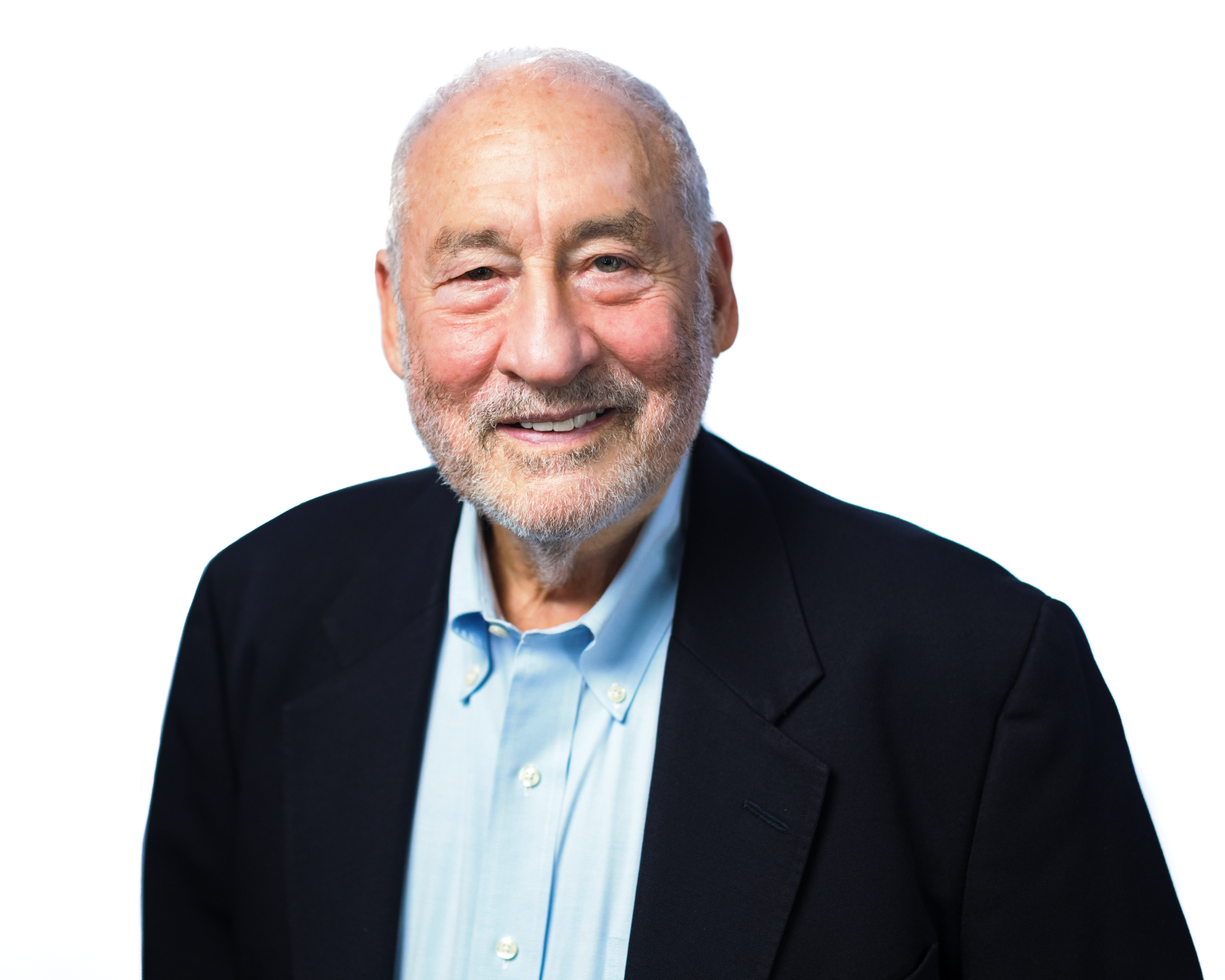
Fiona M. Scott Morton is the Theodore Nierenberg Professor of Economics at the Yale University School of Management and an Adjunct Professor at Yale Law School. Her field of
economics is Industrial Organization, the study of firms, markets, and competition. The focus of her research is the economics of competition policy and antitrust enforcement, as well as competition in health care markets. From 2011 to 2012, Scott Morton served as the Deputy Assistant Attorney General for Economic Analysis (Chief Economist) at the Antitrust Division of the US Department of Justice, where she helped enforce the nation’s antitrust laws. She frequently presents to government agencies tasked with enforcing competition law and is a Senior Fellow at Bruegel, the European policy think tank. At Yale School of Management, she teaches courses in competitive strategy and competition economics. She served as Associate Dean from 2007 to 2010 and has won the School’s teaching award three times. At Yale Law School, Scott Morton teaches antitrust law. She founded and directs the Thurman Arnold Project at Yale, a vehicle to provide more competition policy programming to Yale students and the wider competition community. She holds a BA from Yale and a PhD from MIT, both in Economics.
-
AUTHOR
What’s There to Fear in a World with Transformative AI? With the Right Policy, Nothing.Professor of Public Policy and Economics, Gerald R. Ford School, University of Michigan
Betsey Stevenson is a Professor of Public Policy and Economics at the University of Michigan. She is a member of the Board of Directors of Lyft, Inc., a Faculty Research Associate at the National Bureau of Economic Research, a Research Fellow of the Centre for Economic Policy Research in London, a Fellow of the ifo Institute for Economic Research in Munich, and an Elected Member of the National Academy of Social Insurance. Previously, she served as a member of the Biden-Harris transition team at the US Treasury, a Member of President Obama’s Council of Economic Advisers, and the Chief Economist of the US Department of Labor. Stevenson has published widely in leading economics journals about the labor market and the impact of public policies on outcomes both in the labor market and for families as they adjust to changing labor market opportunities. She is the co-author of the Principles of Economics textbooks, which have been adapted and/or translated for use in many countries around the world. She holds a BA in Economics and Mathematics from Wellesley College and an MA and PhD in Economics from Harvard University.
-
CO-AUTHOR
Information in the Age of AI: Challenges and SolutionsProfessor, Columbia University; Founder and Co-President, Initiative for Policy Dialogue; Chief Economist, Roosevelt Institute
Joseph E. Stiglitz is an American economist and a Professor at Columbia University. He is also the Co-Chair of the High-Level Expert Group on the Measurement of Economic Performance and Social Progress at the OECD, and the Chief Economist of the Roosevelt Institute. Stiglitz was awarded the Nobel Prize in Economics in 2001. He is a former Senior Vice President and Chief Economist of the World Bank and a former Member and Chairman of the Council of Economic Advisers. In 2000, Stiglitz founded the Initiative for Policy Dialogue, a think tank on international development based at Columbia University. He has been a member of the Columbia faculty since 2001 and received that university’s highest academic rank (University Professor) in 2003. He is the author of numerous books, including, most recently, The Origins of Inequality, and Policies to Contain It and The Road to Freedom: Economics and the Good Society.
-
CO-AUTHOR
Beyond Job Displacement: How AI Could Reshape the Value of Human ExpertiseDirector, MIT FutureTech
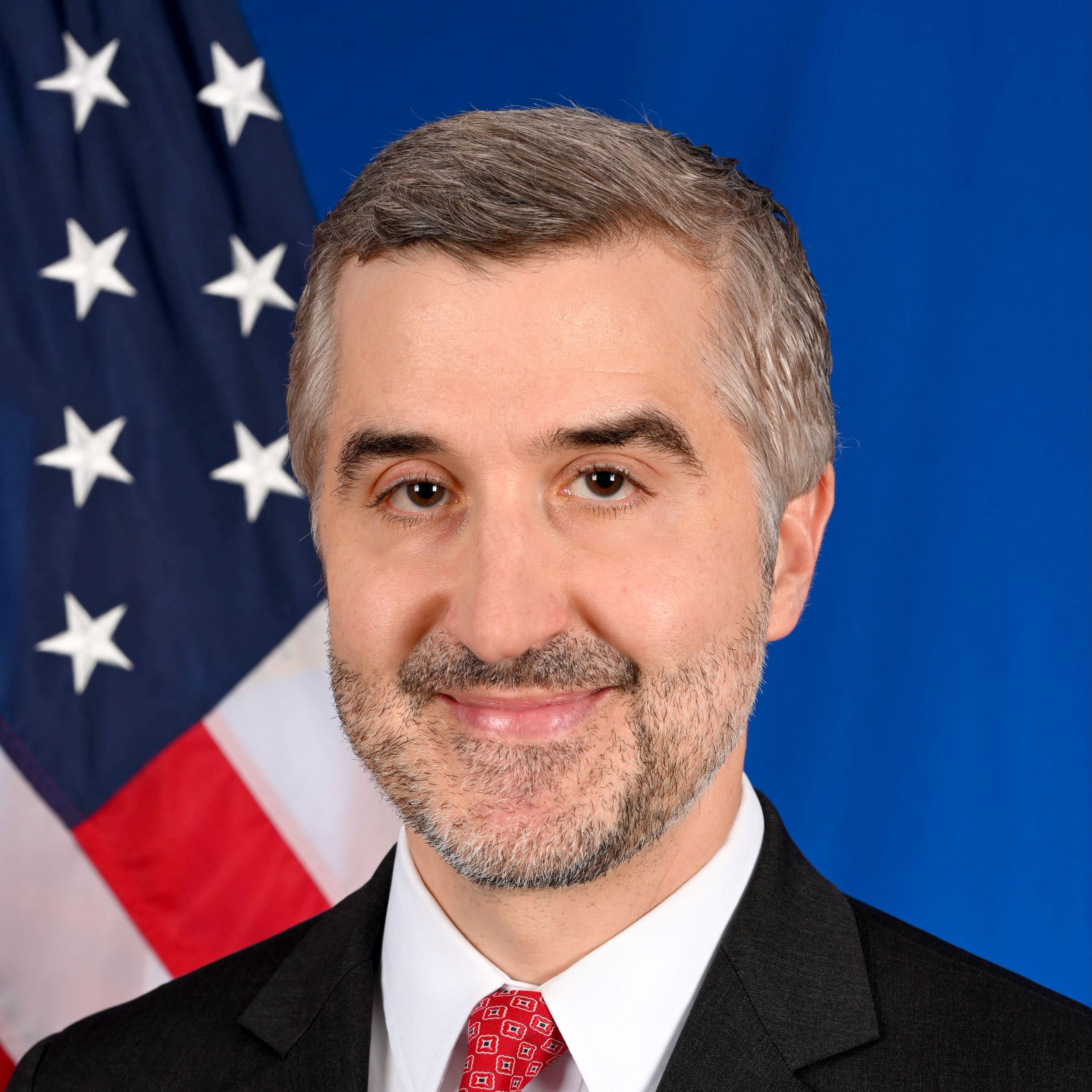
Neil Thompson is the Director of the FutureTech research group, and a Principle Research Scientist at MIT’s Computer Science and Artificial Intelligence Lab (CSAIL) and at MIT’s Initiative on the Digital Economy (IDE) within the Sloan School of Management. The FutureTech group researches the cutting edge and most important trends driving progress in computing and AI, and how these trends underpin scientific progress and economic prosperity. Since founding MIT FutureTech in 2019, Thompson’s research group has attracted over $25 million in funding, and has grown to be one of the largest research groups at MIT with over 110 researchers. Thompson maintains research partnerships with leading organizations such as Google, IBM, Amazon, Accenture, Microsoft, Los Alamos National Labs, and others. He has a PhD in Business and Public Policy from the UC Berkeley Haas School of Business, dual MAs in Computer Science and Statistics from UC Berkeley, and an MA in Economics from the London School of Economics and Political Science. He hold BAs in Physics, Economics, and International Development studies from Queen’s University.



-
AUTHOR
Titans, Swarms, or Human Renaissance? Technological Revolutions and Policy Lessons for the AI AgeDistinguished Policy Fellow and Tad and Diane Taube Policy Fellow, Stanford Institute for Economic Policy Research
Ramin Toloui is a Distinguished Policy Fellow and Tad and Diane Taube Policy Fellow at the Stanford Institute for Economic Policy Research (SIEPR), focusing on the economics of AI, financial crises, and geoeconomic competition. His career spans academia, government, and finance. As a Professor of the Practice at Stanford, he taught the first course in Stanford’s Economics Department on the economics of AI in 2020. His current work examines how AI and other frontier technologies are reshaping the global economy, financial markets, and economic policy. He previously served as US Assistant Secretary of State for Economic and Business Affairs, shaping policies on semiconductor supply chains, investment security, technological competition, and sanctions. He also served as US Assistant Secretary of Treasury for International Finance, overseeing global markets, IMF and financial stabilization policies, and coordination within the G7 and G20. Earlier he was Global Co-Head of Emerging Markets and Chair of the Asia Portfolio Committee at PIMCO, directing strategy and trading for $100 billion in investments at one of the world’s leading asset managers. Toloui received an AB summa cum laude in Economics from Harvard University and an MPhi in International Relations from Oxford University, where he was a Rhodes Scholar.
-
AUTHOR
Economic Possibilities for Artificial IntelligencePostdoctoral Fellow, Stanford Digital Economy Lab
Gabriel Unger is a Postdoctoral Fellow at the Stanford Digital Economy Lab. Unger’s main field is macroeconomics. His research broadly attempts to understand how technological advances, like the IT Revolution, change our understanding of important macroeconomic questions, such as the mechanics of productivity growth, the rise of industrial concentration, or the transformation of the business cycle. He holds a PhD in Economics from Harvard and a JD at Yale Law School, and undertook his undergraduate education at Harvard.
-
CO-AUTHOR
Information in the Age of AI: Challenges and SolutionsPhD Student in Economics, Columbia University
Màxim Ventura-Bolet is a second-year Economics PhD student at Columbia University and a Bank of Spain Fellow. His research focuses on game theory and bounded rationality, with applications to the economics of artificial intelligence and decision-making under complexity. His ongoing work includes “The Impact of AI and Digital Platforms on the Information Ecosystem,” a National Bureau of Economic Research Working Paper, and a forthcoming chapter in The Economics of Transformative AI, co-authored with Joseph E. Stiglitz. Ventura- Bolet previously earned an MSc in Econometrics and Mathematical Economics (with Distinction) from the London School of Economics, where he was a Ramón Areces Fellow, and a BSc in Economics from Pompeu Fabra University. He has also worked as a Research Assistant and Adjunct Lecturer at Pompeu Fabra University and as an Economist at Caixabank Research. Beyond academia, he is a chess FIDE Master.
-
AUTHOR
The Missing Institution: A Global Dividend System for the Age of Transformative AIChief Operating Officer and Co-Founder, Windfall Trust
Anna Yelizarova is the Chief Operating Officer and Co-Founder of the Windfall Trust, a nonprofit preparing society for the economic disruption of transformative AI. She holds degrees in Computer Science and Communication from Stanford and began her career as an engineer at Microsoft before shifting into AI policy. For the last two years, her work has examined how advanced AI might alter labor, inequality, and governance systems. She develops structured transformative AI economic scenarios, early-warning indicators, and policy strategies aimed at helping institutions prepare for a range of uncertain futures.